Booth Interpreter vs. Conference Interpreter: What's the Difference?
Booth Interpreter vs. Conference Interpreter: What's the Difference?
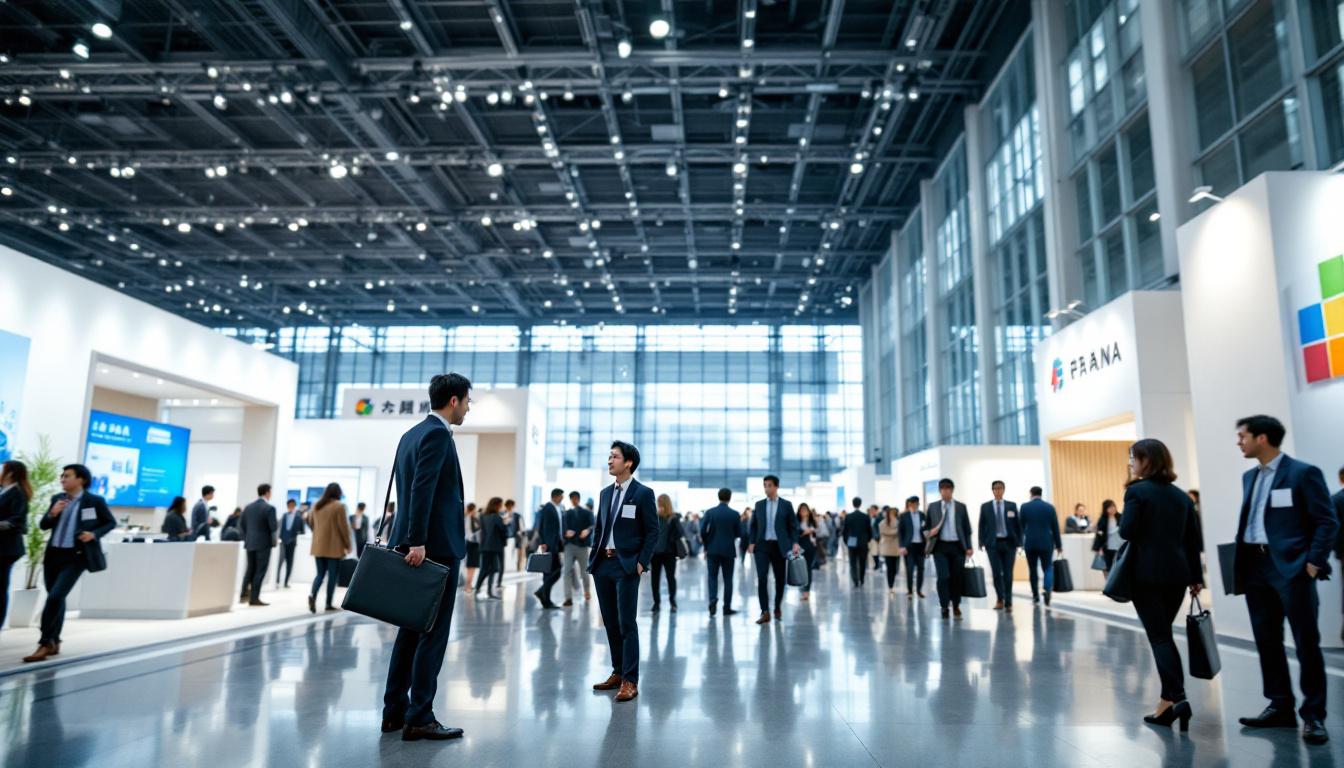
A booth interpreter works your trade-show stand, engaging Japanese visitors face-to-face, explaining products, and helping qualify leads — almost always using consecutive interpretation. A conference interpreter renders keynotes, panels, and large sessions in real time using simultaneous interpretation from an equipped booth. In short: booth interpreters are conversational and sales-oriented; conference interpreters are platform-oriented and equipment-based. Many Las Vegas exhibitors need both.
What does a booth interpreter do?
A booth interpreter is part interpreter, part business asset. They:
This role rewards interpersonal skill, product fluency, and cultural sense as much as raw language ability.
What does a conference interpreter do?
A conference interpreter works the stage and the session room. They:
This role rewards stamina, speed, and command of formal register and subject matter.
When should I use each?
Can one person do both?
Some experienced interpreters work in both settings, but the skill sets and staffing differ. A great booth interpreter excels at warm, two-way conversation; a great conference interpreter excels at high-speed simultaneous delivery and works in a rotating pair. Match the interpreter to the setting rather than assuming one person covers every need.
What does each cost in Las Vegas?
Booth (consecutive) interpretation typically starts at $1,500 per day. Conference (simultaneous) interpretation costs more because it needs equipment and a two-interpreter team for any full session. Full-show packages start from about $7,500. Book at least 8 weeks ahead for CES and SEMA. NihonVegas excludes legal and medical interpretation in both roles.
FAQ
Is a booth interpreter just a salesperson?
No — they are a trained interpreter who also supports your sales process, bridging language and culture so your team can focus on the business.
Why do conference interpreters work in pairs?
Simultaneous interpretation is mentally exhausting; two interpreters rotate about every 30 minutes to keep accuracy high.
Can I hire both from one provider?
Yes. Coordinating booth and conference interpreters together ensures consistent terminology and a single point of contact.
Match the interpreter to your event
Tell us where and how you need interpretation and we will assemble the right team. Reach us via our contact form, or explore packages on our CES translation services page.
Ready to Succeed at Your Next Conference?
Let NihonVegas help you bridge the language and cultural gap
Get StartedRelated Articles
Las Vegas Japanese Translation Services: Complete Guide for Business Success
Comprehensive guide to Japanese translation services in Las Vegas. Professional interpretation, docu...
Read more
How to Engage Japanese Audiences at CES with Expert Translation
Learn the key strategies for effectively communicating with Japanese businesses at major trade shows...
Read moreWhy Las Vegas is the Perfect Hub for Japanese Business Events
Discover why Japanese companies choose Las Vegas for their American business ventures. From world-cl...
Read more