Consecutive vs. Simultaneous Interpretation: Which Do You Need?
Consecutive vs. Simultaneous Interpretation: Which Do You Need?
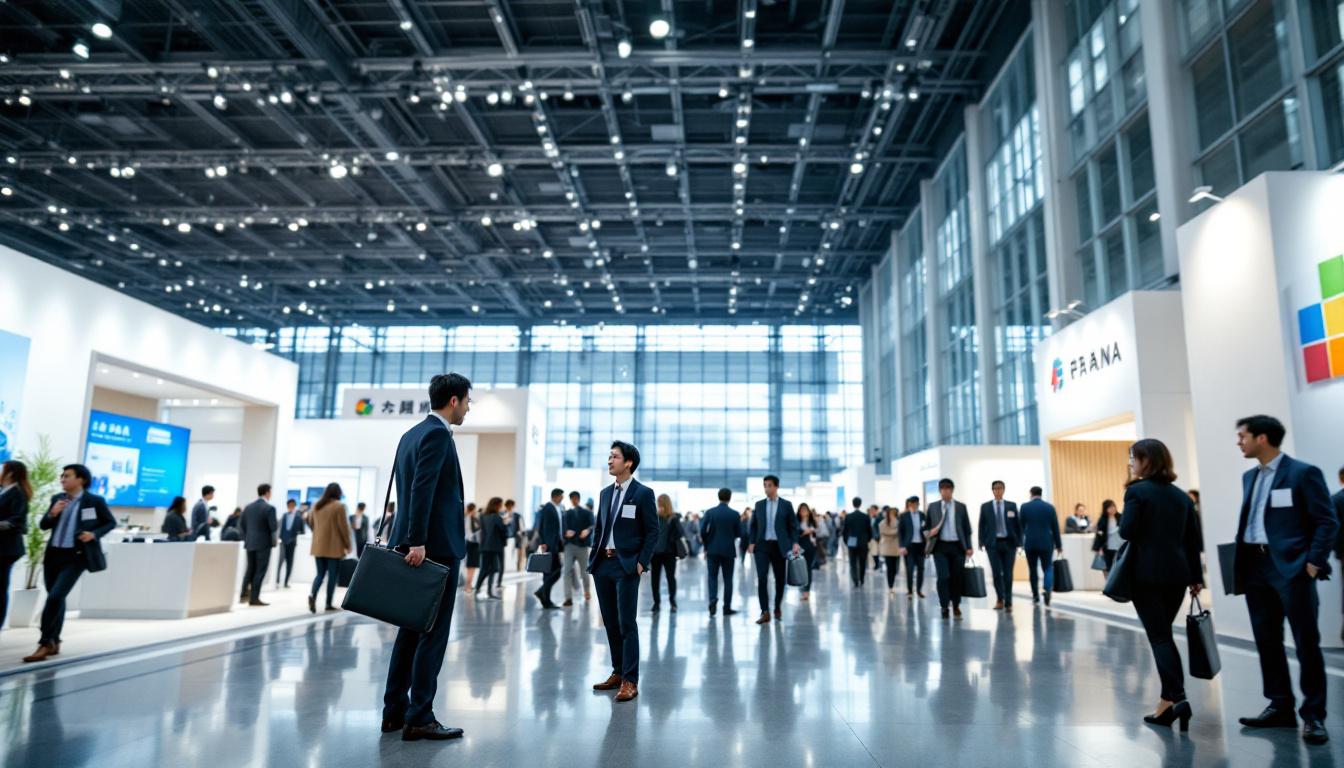
Use consecutive interpretation for booth conversations, business meetings, and negotiations, where the interpreter speaks after each party pauses. Use simultaneous interpretation for keynotes, large presentations, and panels, where the interpreter renders speech in real time from a booth while attendees listen on headsets. As a rule: small and interactive means consecutive; large and one-directional means simultaneous.
What is consecutive interpretation?
In consecutive interpretation, the speaker talks, pauses, and the interpreter then conveys the message. It is the natural fit for two-way conversation — trade-show booths, sales meetings, contract negotiations, technical consultations, and site visits. It needs no equipment, preserves nuance and relationship-building, and lets both sides confirm understanding. The trade-off is time: the conversation roughly doubles in length.
What is simultaneous interpretation?
In simultaneous interpretation, the interpreter speaks at the same time as the speaker, lagging only a few seconds, while the audience listens through receivers. It is built for large, one-directional events: keynotes, product launches, conference sessions, and panels where pausing for consecutive delivery would be impractical. It requires a soundproof booth (ISO-compliant), receivers, and — because the cognitive load is so high — two interpreters rotating about every 30 minutes.
Which mode fits which situation?
How do the costs compare?
Consecutive interpretation is generally more economical because it needs no equipment and often one interpreter for shorter engagements — Las Vegas booth and meeting interpretation typically starts at $1,500 per day. Simultaneous interpretation costs more: it requires interpretation equipment plus two interpreters for any full session. Full-show interpretation packages start from about $7,500.
Can a single event use both?
Yes — and many do. A Japanese exhibitor at CES might use consecutive interpretation at the booth all day and simultaneous interpretation for a stage presentation or press event. Planning both modes up front ensures the right interpreters and equipment are booked together. Note that NihonVegas does not provide legal or medical interpretation in either mode.
FAQ
Which is more accurate?
Both are highly accurate with qualified interpreters. Consecutive allows more precision and confirmation; simultaneous prioritizes real-time flow for large audiences.
Does simultaneous interpretation always need two interpreters?
For any full session, yes — the mental load requires rotation roughly every 30 minutes to maintain quality.
Which is cheaper?
Consecutive, in most cases, because it needs no equipment and often one interpreter for shorter work.
Not sure which you need?
Describe your event and we will recommend the right mode and team. Reach us through our contact form, or see structured options on our CES translation services page.
Ready to Succeed at Your Next Conference?
Let NihonVegas help you bridge the language and cultural gap
Get StartedRelated Articles

Las Vegas Japanese Translation Services: Complete Guide for Business Success
Comprehensive guide to Japanese translation services in Las Vegas. Professional interpretation, docu...
Read more
How to Engage Japanese Audiences at CES with Expert Translation
Learn the key strategies for effectively communicating with Japanese businesses at major trade shows...
Read moreWhy Las Vegas is the Perfect Hub for Japanese Business Events
Discover why Japanese companies choose Las Vegas for their American business ventures. From world-cl...
Read more